Tech Harmony: Nurturing Digital Wellness

We are living in an era which is dominated by several digital developments. Therefore, it is important to have the right connection with the technologies for overall wellness. The term “digital wellness” involves practices and ways for fostering harmonic relationships with technology. This makes sure that technology increases, not diminishes our lives.

Digital wellness is the use of technology to support mental, physical, and emotional wellness rather than damaging it. To minimize the negative effects of more screen time, consistent connectivity, and data overload, it is required to take deliberate decisions and actions.

To navigate the digital landscape, you should have a strong understanding of both the advantages and disadvantages of interconnected lives. The inescapable nature of technology has given a new shape to the societal fabric thereby putting influence on not only how we are communicating but also mental health and wellness.Exploring how to use technology mindfully needs deep insights into plans for the maintenance of mental health in the digital age for maintaining tech harmony. Other than that digital wellness needs support from psychologists, digital detoxing, and looking into inventive tools.
How digital technology is impacting psychology?

Digitalization has its own set of psychological difficulties. Availability of information, desire to always stay on, and consistent comparison with others on social media lead to chronic stress that affects mental health. The culture of comparison nurtured by various social media platforms highly impacts the self-esteem and mental health of an individual, resulting in issues such as anxiety and stress.

In addition, the digital world has also developed a new phenomenon called cyberbullying and cyber harassment that contributes to several mental health problems among susceptible populations. The privacy and the distance that the digital world provides can bring in the worst human behavior, resulting in negative communications affecting the mental health of an individual.

Let’s learn how to cultivate tech harmony by nurturing healthy tech habits

Set up boundaries

It’s important to create boundaries around the use of technology for the maintenance of the right mental health. Psychologists give recommendations of specified times at the time of the day for checking social media and emails, thereby limiting the activity to some times in a day. This assists in reducing the urge to constantly check for updates, facilitating more time for offline activities that support overall wellness.

Raise a supportive online community

The communities we remain engaged with online can highly impact our mental health. Look for and contribute to online spaces that are supportive and align well with your values and well-being. Staying engaged in positive interactions and developing bonds with others who have the same passion as yours can increase your sense of belonging and offer a supportive network when required.

Digital detoxing

It is highly beneficial to have periodic digital detoxing. This includes setting some time aside like a few hours each day in each week, where you will have to turn off digital devices. During this time, engage yourself in activities that you enjoy and that will connect you with other people in a relevant way like reading, spending time with nature, or catching up with friends.

Making use of technology attentively

Technology has the power to promote your mental health when it is used mindfully. Applications that encourage meditation, proper sleep, and physical activities can help in supporting your mental wellness. Stay selective about the applications that you are using and the time you are spending on them thereby focusing on those that add value to your life and screen time management.

Teach yourself and your loved ones

Awareness is one of the major steps for change. Teach yourself and your loved ones about how technology affects mental health. Having some open discussions on how to make use of technology rightly can help foster a healthy bond with digital devices.

Creating a Balanced Digital Life

A balanced digital life needs consistent effort and modification. For that, you can reduce using or eradicating them from the routine. Equally, recognize digital activities that increase your life, whether by learning, getting associated with loved ones, or supporting mental health, and give priority to relevant work in everyday routine.

Tools for enhancing digital wellness

Many tools have been designed for promoting digital wellness. For example, several smartphones are now offering features for tracking screen time on using applications. Mindfulness applications help in providing guided meditations as well as exercises for assisting in the management of anxiety and improving sleep quality.

Cultivating good social media practice

Mindfulness extends how we can interact with social media. Before you open an app, ask yourself why you are using it. Is it because of habit, boredom, or a sincere interest? Remaining mindful of our intentions can assist us in using social media persistently, decreasing tedious scrolling and those negative feelings that come with it.

Give priority to real connections

While digital connections can offer a sense of belonging, they do not have the depth and contentment of face-to-face interactions. Giving priority to real-life connections, like spending quality time with loved ones, being part of some club, or participating in community activities can increase your sense of community and belonging.

Conclusion

So, while navigating the digital age, it’s important to remain mindful of the effect that technology can have on your mental health. By taking all necessary actions, it becomes easy to adore the advantages of the technology while protecting mental wellness. Keep in mind that it is not about eradicating technology from lives but also learning how to utilize it in a way that supports overall wellness and happiness.
The Myth of One-Size-Fits-All: Why Custom Web Development Matters

In today’s digital world, all businesses need to have a strong online presence thereby enhancing the importance of web development. Your website is like your digital storefront that serves as the primary point of contact for your target audiences. However, not all websites are made equal. This is the reason why custom web development matters for unlocking your online potential eliminating the myth of one size that fits all websites.

Today’s customers search over the internet for information, services, and products and your website has an important role in their first opinion about your business. It’s like a 24/7 digital storefront of your business that anyone can access from anywhere across the world.

A well-crafted website helps in capturing attention and also in building credibility and trust. It shows your expertise and pledge to meet consumer’s needs.

Template-based websites might seem like a cost-efficient solution but they have their limitations that can hamper the growth of your business. These templates provide very few options for customization, leading to generic and measured digital experiences.

Your website must be designed in a way that it will look like your brand extension that showcases your business value. This is where a custom website plays its role as it offers you custom web solutions.

Know about custom web development

Custom web design is a customized approach that considers the specified requirements and goals of your business. It includes working in close association with professional web designers who strongly understand your brand recognition, potential audiences, and industrial landscape.

Contrasting templates, custom web development is made from scratch bringing in a unique online presence that keeps you apart from your competitors.

Reasons why custom web development matters

Custom web designing helps in elevating your brand awareness, enhances conversions, and establishes your unique online presence.

Tailors your website as per business requirements

One of the major advantages of custom web development is tailoring all aspects of your website to match your business requirements. Whether you need an ecommerce site, booking systems, or any interactive elements, a custom website provides you with unified integration.

Your website becomes one of the powerful tools that will not only showcase your products and services but also increase user experience, and drive engagement and conversions.

Fast loading time

How efficient your website is relies on how fast it is loading. When websites load slowly, it will create a negative effect on how your website is being perceived by your audience. Eliminating all kinds of performance issues from your website is assured by custom web development. To do this, take out unrequired add-ons and include only those that your website requires.

Increases user experiences and engagement

User experience is important for the success of all websites. Custom web development focuses on developing an instinctive and user-friendly interface that attracts visitors. With the attention spans of consumers shrinking, it’s important to make a strong first impression.

A customized website design allows for creating highly responsive web layouts, making sure your website looks the best and functions without any flaws on all devices. Easy navigation, high-clarity call-out buttons, and interactive features help keep the users engaged and make them explore more.

Uniqueness

A website builder template is limited because of the preset themes and capabilities available. Your website ends up having a look like other different websites that are using similar templates. Through customized websites, you can create a website that meets all your needs. A distinct website offers your company an edge in the marketplace other than representing your vision. It is one of the main justifications for choosing custom web development.

SEO benefits

Even if you have created a stunning website, it does not matter if it is not attracting visitors. This is where SEO or search engine optimization comes into play. Custom website design helps in the integration of SEO-friendly coding, fast loading speeds, and high responsiveness in mobile, which are important ranking factors for search engines.

When your website is well-optimized, it enhances your visibility in the search results and drives traffic to your website. By aligning your customized design with the best practices of SEO, you can create a strong foundation for your online success.

Brand awareness and visual attractiveness

As you know your website helps in expanding your brand identity. Thus, customized website design assures your online presence aligns well with your brand identity. It creates a unified and notable experience for your target audience.

Starting from different color schemes to typography, all visual elements are rightly selected to evoke the required emotions and vibrate well with your target market. A visually attractive and well-crafted website helps build trust, strengthen brand identity, and leave behind a strong impression on your visitors.

Measures success and return on investment

Personalized website features not only offer the best aesthetics but also required results. By keeping track of and doing an analysis of website metrics, it’s easy to measure the success of your customized design.

High conversion rates, enhanced consumer engagement, and user experience are some of the important indicators of a well-crafted website. When designed properly, a custom web design offers a good return on investment, assisting you in growing your business and beating your competition.

Boost consumer experience

Web development is important for offering a good consumer experience. Creating a user-friendly user interface element and fast page loads are required for a good user journey. Your website can have a good look but might not function well at the same time, distracting your users from their experiences.

The quality of consumer experience is diligently tied to all the website features and functionality you offer. Since all businesses function differently, the functionality also varies. You can increase your website performance by linking it with several other systems such as CRM software and inventory management systems allowing online payments.

Conclusion

In this competitive digital world, a generic business website is not sufficient for a strong online presence. Custom web development with all personalized features helps your business to attract your target audience and attain online success. By customizing your website as per your requirements, increasing user experience, and utilizing SEO advantages, you can unlock the full potential of your business in this online world.

Beyond Convenience: The Unexpected Benefits of Implementing IoT

The pioneers of industries are highly acknowledging the abundant benefits that the Internet of Things or IoT brings to businesses in every sector. As per the forecast of the business insider, the number of IoT devices being used in several industries will reach 55 billion by the year 2025.

IoT allows organizations to replace outdated manual asset-tracking systems by executing automated sensors. Those sensors help in seamless connection to the internet and incorporate centralized systems allowing real-time monitoring of the important company assets.

IoT also has a high potential for elevation of consumer satisfaction to novel heights by providing the latest functionalities and customized experiences. Businesses and IT users can make use of the IoT platform for the maintenance of their IoT ecosystem, managing devices, applying analytics, and building up new services depending on the insights of IoT. Putting it simply, IoT allows things like wind turbines, paint cars, etc to do effective communication and offers real-time updates on the status.Nowadays, Internet of Things technology is everywhere, even at places where we least expect it, starting from the healthcare sector to retail and agriculture. There are endless applications and benefits of IoT .IoT offers businesses better, innovative services such as remote healthcare and efficient fleet management.

Common use cases of IoT

IoT offers a strong foundation for building smart and connected devices that allow a proper understanding of the processing of assets and operation of the businesses and customers. The uses of IoT are flexible as all business models as well as industries can get huge benefits by taking the right approach.

Here are some of the common use cases of IoT:
  • Retailers can make use of the IoT for better ordering to prohibit waste and overstocking. They can utilize the shopper analytics for optimization of the store layouts for strong scaling and sending notifications through the app to the users near any store location.
  • The telecom department can do remote monitoring of the equipment and prediction of the maintenance for prevention of technical issues or any kind of downtime for consumers who rely on their communication services.
  • Logistics companies can keep a good track of the fleet, inventories as well as personnel to enhance efficiency and reduce the loss of goods because of late deliveries.
  • Energy-based companies can increase effectiveness and sustainability through various IoT initiatives that connect everything starting from turbines to water meters. The sensor-implanted infrastructure allows them to detect the changes in the equipment in real-time to prohibit outages, make workplaces safe and avoid rework.
  • In utilities, it becomes easy to keep track of the consumption of energy in real-time and distribute the energy or the other products wherever they are required for increasing the smart grid initiatives and decreasing outages.
  • Manufacturers can increase the process effectiveness, decrease downtime, and gain strong insights into the performance of the equipment depending on the sensor data from the equipment connected.

These use cases show how organizations can make use of IoT insights for their benefit.

Benefits of implementing IoT

Let’s have a look at some of the major unexpected benefits that businesses get by using the power of IoT:

Enhanced safety alerts

A lot of IoT devices can send automatic messages to supervisors or managers to inform them about all useful news. For instance, they can alert them, if there is any machine tampering or any unauthorized attempts to bypass the lockout processes. Because IoT helps in reporting mistakes and all important equipment failures, it becomes easy for the supervisors to get a solution rapidly.

Improved customer experience

Even if IoT has mostly influenced the back-end processes due to its new presence, recent IoT uses have overturned the way customers approach their bonding with several businesses. Front-end consumer engagement has become a priority for businesses when they better communicate with their target audiences mainly through IoT devices. Today’s customers want to interact with businesses by phone whether through chatbots, mobile-friendly websites or any application. So, businesses are making use of the novel technology and then combining it with IoT for better customer experience.

Better visibility

This is one of the strategic advantages of implementing IoT when the matter is about production. IoT connectivity helps consistent tracking of the processes as it allows enhancements that should be made on a rolling basis. Manufacturing processes along with hangtime benefit when restricted access is recognized. It allows easy adjustments for the realization of good approaches and management of production and decrease of cost of operations.

Better management of inventory

IoT allows the managing inventory to make use of the automated asset in tracking and reporting using ERP to avoid all expensive mistakes that come with functioning within obsolete inventory tracking systems. The connectivity facilitates items to get tracked and recording of data to the ERP system. This helps in the reduction of working hours for inventory management every month and also the possibility of errors.

Updated fleet management

Construction and other companies face many challenges when matter comes to fleet management such as difficulty in finding equipment, getting access to equipment information in several degenerated systems, and recognizing the status and equipment value. IoT has updated fleet management systems by incorporating systems into one single framework having data and displaying information about the scheduling of equipment, working orders, consumer rentals, and many more things.

Conclusion

Businesses are making use of the latest IoT analytics to unlock several benefits which include increased effectiveness, productivity, and cost-cutting. The implementation of IoT brings in new inventions and is redefining conventional business operating models thereby opening several opportunities for achieving success.

The Future of IT Jobs in the Generation of AI Challenges and Opportunities

Artificial Intelligence is now a vital aspect of the future and this applies to the information technology sector as well. A decade before, AI was something like science fiction, but now we have started using it in our daily lives. Right from research, and automation to speech and facial recognition and many other things, everywhere AI is being utilized.

AI and machine learning have taken over customary computing methods, bringing changes in how industries are performing and carrying out their daily operations. In a very short amount of time, AI has brought changes in many things right from research to modernization of finance as well as healthcare sectors.

AI has positively impacted the IT sector as it uses computed-based training and innovative algorithms to create a system that mimics human acts. Not only that but also it offers solutions to complex problems and develops simulations to be human-level artificial intelligence. But what about the future of IT careers because of AI?In this fast-evolving setting of development and also talking about the AI job trends, it has become vital to let go of the bequest software. Companies failing to adapt to the altering technological setting are at risk of losing competence and falling behind. So, let’s know how AI will affect most demand IT jobs in future.

How will AI impact information technology?

With the implementation of AI-based technologies in IT industries, new improvements have risen for solving and optimization of several challenges. It has decreased the burden on developers by enhancing effectiveness, and productivity and gives assurance of quality.

Here are some of the positive impacts or opportunities of AI for the IT sector:

More safety systems

By making use of the latest algorithms and machine learning, AI can offer the required level of protection for the creation of high security within all systems. It can recognize potential threats and offer the required solutions for avoiding the system loopholes.

Increase coding productivity: Artificial intelligence also makes use of algorithm series that can be applied directly to assist programmers in detecting and disabling bugs. AT also offers meaningful suggestions while coding thereby increasing effectiveness, and productivity and offering clean and bug-free code.

Enhanced automation

AI enhances automation for which the IT sector can go a long way for automation of backend procedures that can allow several cost savings. It lessens human hours spent on work and enhances efficiency.

Better application implementation while developing software

Because AI can predict several issues, it is now an important and useful tool for the detection and anticipation of problems during application deployment. Developers will no longer have to wait until the final steps before enhancing the whole performance of the application.

Increased quality assurance

Quality assurance is about making sure that the right tools are being utilized at the time of the development cycle. AI can assist software developers make use of the right tools for fixing several bugs and problems within the applications.

Customized customer experience

This is one of the major benefits that organizations get through the implementation of AI. This involves all things starting from better recommendations, to answering questions assisting users in finding products and many more things.

What Is AI’s impact on IT jobs?

Despite all the opportunities that AI offers, many organizations are hesitant to implement artificial intelligence. It is because of the fear that AI will make several jobs inappropriate and outdated. 

Some jobs are better managed by AI, specifically when the work needs analysis of huge data sets. AI can make certain tasks fast and efficient as compared to the human brain as the machines do not require rest periods.

But it’s important to keep in mind that it is not the first time that technology has caused the loss of some jobs. At the same time, the job losses have been covered by the formation of new jobs. 

Even if it is not possible to know the future of IT jobs in the AI generation with high accuracy, it is safe to guess that the appearance of technology is following the same trend. AI has been creating several new jobs both in existing as well as revolutionary sectors.

AI can never outpace humans when the matter is about certain tasks that need human emotions and acumen. Therefore, the IT sector needs to adapt artificial intelligence. AI serves as a complement and not a replacement for IT professionals. Companies should focus on how to make use of AI to enhance the efficiency of businesses.

Some of the IT job roles that will be affected by AI are

Data analyst

AI can cause automation of data collection, visualization and analysis procedures thus making it easy and rapid to gain insights from big datasets.

IT developers

AI is already being used for optimization of code, automated testing and also for generating code in many cases. This will bring in changes in the way the developers work as some of the daily tasks might get automated.

IT support

AI-based chatbots and assistance are becoming common for managing consumer enquiries and technical support problems. This will decrease the requirement for manual support in several cases.

Cyber analysts

Cyber security analysts have to keep up with AI inventions to stay ahead of all potential threats.

IT jobs at less risk of getting replaced by AI

UX/UI designers

This job needs a proper understanding of human behavior, empathy and creativity. While AI can assist in data analysis, the design procedures still depend on human ingenuity and intuition.

Product supervisors

This job role defines product strategies, by knowing consumer needs and making important business decisions. This needs market insights, business understanding and also leadership skills, which are difficult for AI to mimic completely.

Data scientists

While AI can cause automation of some of the aspects of the data analysis, the data scientists are accountable for designing, purifying and validating AI models.

Software architects

Software architects are responsible for designing high-level structures of complicated systems and applications. They understand business needs, technical restrictions and measurability in the long term, which needs a human touch and creative problem-solving.

Conclusion

Artificial intelligence is gaining a lot of pull in the IT sector and is not showing any sign of slowing down. Its machine learning abilities are bringing in transformation in several areas of the industry by making them more efficient and focused on important tasks that require people’s consideration the most.

It will take some more years to draw strong conclusions about AI impact on IT jobs. As of now, it is believed some of the operation jobs of IT might change, some will go away and many new jobs will be added.

So, it’s time to accept AI and learn new skills to avail benefits of this new technology and stay ahead in the age of artificial intelligence.

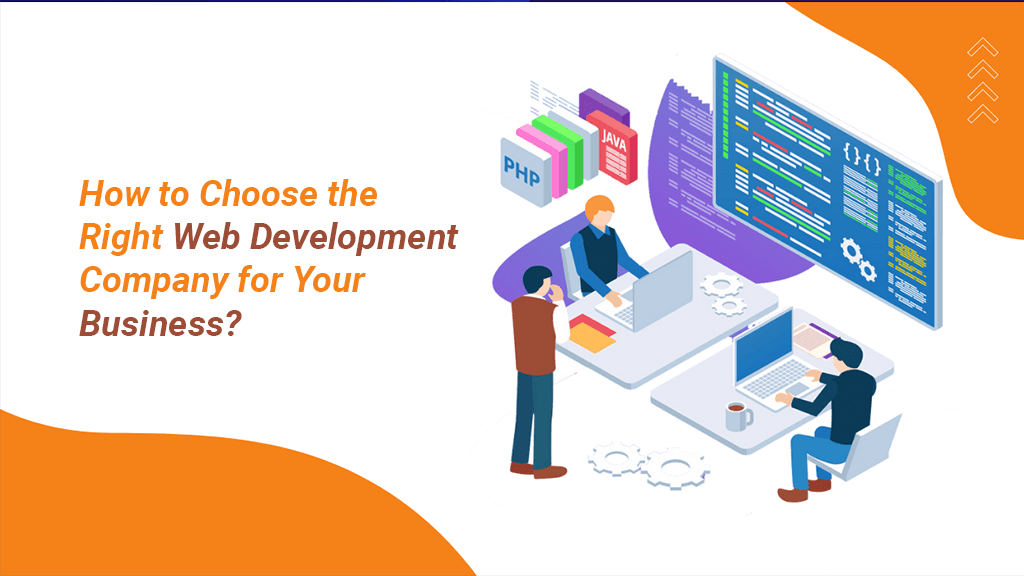
How to Choose the Right Web Development Company for Your Business?

In the present-day digital landscape, having a strong online presence not only provides immense benefits but also is vital for business progression. A website is a virtual access for your consumers that serves as an important element for revenue generation and your business identity.How the website is built and designed has a major role in the imprint that it leaves behind. Thus, the development and designing of a website that tops both functionally as well as aesthetically needs the top-notch services of a best web development company.

How does a web development company help?

A best web development company can assist you in creating a website or an application by involving in below best practices:

  • Ideating and developing a website with the right architecture, framework and plotting
  • They select the technology or multiple technologies for building your site.
  • In coding for the back end
  • Strict testing before delivering the website
  • Incorporation of various media elements like videos, audio and images
  • Optimization of the website as per the requirement to make sure there is a good ranking
  • Working on user experience as well as user interface
  • Recognize issues and fix bugs
  • Carry out performance and speed testing
  • Offer maintenance, support services and updates.

Criteria for selecting the right web Development Company for your business

Choosing the right web development company is a pathway that includes various steps. Right from defining your business goals to evaluating a prospective partner’s expertise, technology abilities and communication skills, everything plays an important role in selecting an ideal web development company for your business requirements.There are certain factors to consider while selecting a web development company that makes sure you are making an informed decision.

Know your business requirements

To select a web development company that is the best fit for your business, it’s vital to familiarize yourself with all business needs. This involves your business goals, website features and submission of needs to the experts. Other than this, you must be aware of the following things:

  • What personalization is needed for your project?
  • What are the various phases included in a web project?
  • Know your competitors
  • How important is SEO for you?
  • What is your budget?
Search your prospective web development company

The first phase of searching includes exclusive research. Select those companies that have good track records with a varied portfolio. Take into consideration factors like cost-efficiency which involves a flexible hourly structure setup.  Make a list of potential web development companies.

Evaluate the company’s experiences and expertise: After compiling a list of partners, it’s time to check their capabilities. Evaluate their experience taking into consideration not only the number of years but also the range of experience in various industries. More the industries they have worked in, the better they can understand your special requirements. Moreover, if the company has some marketing experience, then it’s an added advantage.

Assess their previous works

Check the company’s portfolio to know about their design style, diversity of the project and creative approach. It’s important to know how their previous work aligns with your goals. Case studies also help in knowing their capabilities to solve specific problems for their clients.

Check other’s feedback

Feedback from clients is a strong indicator of any web development company’s abilities. Other than going through case studies on the website, review third-party platforms for getting more strong insights. Try to reach out to their past clients and try to know about their experiences with the company. Try to inquire how satisfied they are and what issues they faced at the time of collaboration. You can obtain recommendations from several online forums popular for their honest ratings and reviews.

Give priority to strong communication

Efficient communication is the base for any partnership mainly in the web development sector where technical ideas are a bit complicated. Good communication is important for making sure there is strong collaboration and you can gauge this initially while consulting or while requesting a quote. Evaluate the communication skills of the company and how they are responding during the first interaction with you.

Know about the technological tools they use and the structure of their team

Remaining up-to-date with all recent technologies is important. Do enquiry about the technologies they are using, the languages they utilize and also the frameworks. Try to know whether or not they are expert in the tools that are needed for your project and also if they can assess specified technology choices you have like PHP, ReactJS etc.

Know about their support services

Other than thinking about what type of website you require, you need to pay attention to how much support you will get from the service provider for the project. For example, do you require support for setting up your website on web hosting or do you just want to develop a website? If looking for support services, you have to search for a provider with the right technology who can fulfill all your needs.

Conclusion

Choosing the best web development company for your business is one of the important decisions that have a significant impact on your online presence. Your business website is not only your digital storefront but your brand reflection. It’s a platform for getting engaged with your potential audience and a vital driver of your goals. By following all tips and carrying out proper research, you can get associated with a web development company that will share your business goals and have the technical power to bring your digital ideas to life.

Enhancing IT security with Artificial Intelligence:Emerging Trends and Challenges

In this modern world, technological advancements certainly allow us to stay associated but it also raises security concerns. With the increase in the number of security breaches and growing complications of those cyber-attacks, the traditional measures of cybersecurity are not enough for combating the attacks. Thus, cyber experts are accepting emerging AI trends for increasing IT security as one of the best solutions.

Artificial Intelligence is revolutionizing IT security by offering the best tools for the detection and prevention of cyber threats, protecting sensitive data, and increasing safety.
AI has the potential to enhance IT security through automating and mitigating threat detection and enhancing incident response times. But on the other hand, there are numerous challenges to AI integration with cybersecurity systems. As a result, it enhances the requirement to analyze the interaction between AI and IT security now and in the future.

Important components of AI for enhancing IT security

AI provides huge potential for strengthening defense methods, detecting threats, and allowing fast incident response. Three important components of AI are specifically useful in IT security.

Natural Language Processing or NLP for extracting context

NLP analyses and understands human language, allowing machines to comprehend and respond to texts. This helps analysts to save time, and address risks.

Machine learning for data-driven security processes

Machine learning enables computers to learn from data and make relevant predictions without programming. By associating and listing data from various sources, it makes sure the required information reaches the systems and teams, allowing efficient security actions.

Generative AI for detecting threats

Generative AI uses deep learning to create real content, helping in recognizing and detecting malicious software.

How does artificial intelligence benefit IT security?

Monitoring network traffic: AI effectively monitors the transmission of data between an organization and stakeholders. It protects private data from illicit access and threats that go unnoticed by cybersecurity experts.

Detection of indefinite threats

AI has the potential to identify and mitigate illicit attacks on digital assets, which is difficult for the professionals of cybersecurity. By detecting, it prohibits harmful data from entering the organization’s network and in threat prevention.

Consistent learning

AI increases their abilities with their features for consistent learning by recognizing patterns, keeping them organized and actively responding to important safety issues.

Automation of repeating processes

Integration of AI systems helps in automating security protocols which lessens the risk of exposing networks because of human mistakes.

Complete security

AI offers all-inclusive security to your digital assets by effectively managing several threats at a time and making sure there is a proactive and right response to various threats.

Increased endpoint safety

Artificial intelligence helps in addressing various challenges that big corporations experience because of several devices being attached to their network.  It offers strong protection against malware as well as ransomware through authorized signatures.

Effective handling of data

AI helps in the effective management of huge data that flows through an organization’s network, making sure there is full scanning and scrutiny that excels human abilities.

Prediction of risk

AI systems help in processing inventory and assessing IT assets, allowing organizations to predict and prepare for potential cyber threats.

Emerging AI trends in enhancing IT security

Automated cybersecurity system: With this trend, detection, response, and mitigation of threats without human interference is possible. This system will make use of AI for making real-time decisions thereby removing the potential presented by human participation.

AI supportive threat intelligence

AI will play an important role in threat intelligence, by handling huge amounts of data for recognizing rising threats and susceptibilities. This facilitates organizations to stay ahead of cybercriminals by making the defenses strong.

Encryption method for preventing quantum attacks

Quantum computing is emerging as a threat to ongoing encryption standards. However, AI can play an important role in the development of new methods of encryption that are resilient to quantum attacks.

Augmentation of IT security workforce

Even though AI can’t replace human experts it can enhance their abilities. AI tools will help the analyst in scrutinizing huge data volumes, allowing them to focus more on planned tasks and making decisions.

Automation of safety measures for identity and access management

With zero-trust safety frameworks, identity and access management is more crucial than before. These need all users of the network to be authentic, validated, and authorized. By integrating AI, a huge amount of human labor will decrease because of automations. AI can scrutinize and analyze the activities of users, power oversaw algorithms, and unverified learning.

AI will increase regulatory compliance measures

AI can leverage regulatory rules and needs data through complicated networks. It is a rapid, safer defiance method when compared with manual searching processes. Enterprises can make use of AI to keep track of regulatory agencies all over the world for monitoring and maintaining compliance.

Integration of AI with IT security: Challenges

Even if AI can play an important role in enhancing IT security, there are many challenges in association with the whole process.  Here are a few of them:

Oppositional attacks

These attacks involve the manipulation of AI algorithms by providing them with misleading information or specially created data. It can lead AI systems to categorize malicious activities as benign thus turning the assets protector against the system. 

How to contradict these challenges? Contradicting such tactics requires constant vigilance and keeping AI models updated.

Concerns on data privacy

The efficiency of AI relies largely on huge amounts of data. Some of the datasets might have sensitive information and when this data is mishandled it causes substantial privacy concerns. 

How to rectify this challenge? To address these challenges, strong measures such as encryption for protecting data both in transit and at rest, strict controls for accessing sensitive data, and also data anonymization for de-recognizing data utilized in AI training.

AI preferences

AI algorithms take over biases that are available in their training data. In IT security, this can result in discrimination or overlooking of specific threats, thereby propagating the inequalities that IT security pursues to mitigate.

How to mitigate this challenge? For mitigation of this challenge, careful curation is important. This includes the selection of various datasets that perfectly represent varied demographics and situations that AI might encounter.

Conclusion

Artificial intelligence is rising as an efficient tool for combating complicated IT security challenges. AI can automate the detection of threats and the process of response through machine learning and several other emerging AI trends that can surpass old software-driven methods in combating cyber-attacks. But at the same time, the industry has to rectify the challenges that come with AI driven cybersecurity.

AI-Enabled Software Development: Accelerating Innovation and Time-to-Market

Maybe it’s too early to say that it’s an AI-dominated world and we are just living in it! 

Still, the day is not far off given how quickly the technological landscape is changing. 

Most likely for this reason, organisations are already planning how to strategically incorporate artificial intelligence (AI) into their software development processes.

AI-driven software development integrates AI capabilities into various stages of the software development lifecycle. This process covers everything from design, development, and testing to deployment and maintenance. 

In this blog, we explore how AI solutions are revolutionising software development, look at its benefits, challenges, and best practices for making your work more productive.

How AI is Revolutionising Software Development?

Here’s how AI is transforming software development by leveraging technologies like machine learning, natural language processing (NLP), and predictive analytics:

  • Automates repetitive tasks: AI automation boosts precision and efficiency, excelling in code creation, bug spotting, and testing. For example, DeepCode is known for its ability to detect errors in extensive codebases, elevating code quality.
  • AI management: AI is extremely beneficial in project management and resource organisation. It takes care of the more laborious and time-consuming tasks, which allows developers to focus on significant aspects of their work.
  • Accelerate productivity: When repetitive tasks are in automation mode, code errors are immediately found and AI handles the time-consuming tasks, it automatically  accelerates productivity in various aspects.
  • Improve decision-making: By analysing vast amounts of data, AI algorithms provide valuable insights and suggestions that enable developers to make correct decisions about architecture, feature prioritisation, and performance optimisation.
  • Enhance predictive capabilities: AI algorithms forecast possible issues and trends using historical data. Early in the development cycle, this helps the development team to foresee and handle hazards. AI-powered analytics gives the programme more flexibility to adapt to changing market conditions and customer demands, allowing for timely changes that maintain its competitiveness.
  • Enables personalisation: By assessing user activity, preferences, and context, AI algorithms allow software to provide customised features, recommendations, and content.
  • Cost Savings: Innovation with AI lowers development costs, reduces human error, and improves resource allocation efficiency, all of which result in significant long-term savings.

Challenges of AI-Driven Software Development

Below are some of the challenges that AI-enabled software development must confront:

  • Data Privacy and Security: Because AI requires huge amounts of data, much of which contains sensitive information, it poses dangers to security and privacy even though data-driven insights improve software innovation. One major problem is safeguarding data in compliance with regulations.
  • Lack of Domain Knowledge: AI can be difficult to use when developing software for sectors that require specialised expertise since, even with its sophistication, it may not be able to fully understand the nuances of some fields. It’s still challenging to match AI solutions with various industry needs.
  • Ethical Considerations: The increasing number of functions AI does in software development raises ethical questions. Developers need to think about the ethical implications when AI writes or modifies code on its own. For responsible AI-driven software development, they ought to adhere to ethical standards.
  • Unpredictable Creativity: The complex creativity and problem-solving skills inherent to human creators may cause AI’s amazing capabilities to falter. In domains that demand creativity, AI solutions could not have the creative flare needed to produce novel and inventive solutions.
  • Integration Complexity: It can be quite difficult to incorporate AI tools into the workflows and practices used in software development today. It takes careful planning and exact execution to ensure that AI is seamlessly integrated into current procedures, instruments, and practices.
  • Reliability: It is imperative that AI software be trusted. When AI makes independent decisions, decision-making must be transparent. For developers and users to feel confident, it is crucial to strike a balance between automation and comprehension of AI thinking.
  • High Costs: AI-powered software solutions require a lot of resources to develop and maintain, including time, money, and specialised knowledge. Organisations must adroitly navigate the strategic challenge of balancing these costs against the predicted benefits.
  • Regulatory Challenges: Rules may need to be updated as AI becomes increasingly integrated into software development. Regulating AI-generated software presents a difficulty in terms of maintaining compliance while fostering faster innovation.

Best Practices for Streamlining AI-Powered Software Development

Here are some key practices to consider for streamlining AI-driven software development:

  1. Define Objectives: Clearly state the issue that AI will be used to solve, and provide quantifiable goals for the project.
  2. Data Management: Invest in robust data management practices such as data collection, storage, labelling, and preprocessing. This ensures data quality, integrity, and security throughout all development stages.
  3. Prototyping & Iteration: Early in the development process, create prototypes to test ideas and get user input. Then, using the feedback, rapidly iterate to hone models and gradually boost performance.
  4. Model Selection & Evaluation: Keep experimenting and evaluating multiple machine learning models and algorithms until you identify the most suitable solution for the problem at hand. To precisely evaluate the performance of your model, use the right validation methods and assessment criteria.
  5. Version Control and Documentation: To systematically track changes to data, models, and code, use version control systems (like Git). Keep thorough records of all project objectives, procedures, implementation specifics, and model performance indicators.
  6. Ethical Considerations: Put policies in place to guarantee fairness, reduce bias, and safeguard user privacy throughout the development phase.
  7. Monitoring and Maintenance: Create monitoring systems to keep tabs on how deployed models operate in actual environments. Track user input and key performance indicators (KPIs) to quickly identify problems and implement updates as necessary.

Conclusion

In summary, using best practices helps expedite AI-enabled software development and shorten time-to-market by establishing clear objectives, ensuring solid data management, utilising agile approaches, and enforcing ethical norms.

If you haven’t integrated AI into your development process yet, it’s high time you do so!

Sustainable Software Development Practices: Minimising Environmental Footprint in Code

It’s no longer a secret that software industries around the globe are finding ways to reduce their carbon footprint.

Eco-friendly coding, popularly known as sustainable software or green coding, has gained prominence in recent years. Programmers, developers, and architects are increasingly interested in this approach for environmental preservation.

In this article, we will discuss sustainable coding and software development best practices, along with their benefits. Dive into the world of eco-conscious programming, where efficiency meets environmental responsibility. 

Explore tips and development practices to mitigate carbon emissions, enhance performance, and contribute positively to our planet.

What is Sustainable Software Development?

Sustainable software development advocates implementation, and deployment approach that prioritises energy efficiency and environmental sustainability. This practice involves creating software systems with minimal environmental impact while meeting quality standards. 

Overall, adopting sustainable software design involves minimising environmental impact throughout its lifecycle, like optimising code for energy efficiency and using eco-friendly hardware and data centres. 

Beyond environmental benefits, it also leads to advantages like less downtime and quicker updates, enhancing overall performance and reducing ownership costs. Ultimately, this boosts an organisation’s agility and competitiveness.

Green Coding

Green coding plays a pivotal role in achieving these sustainable goals in software development. It entails creating effective code that minimises processor time and memory usage in an effort to reduce energy usage and the environmental impact of computers. 

The goal of green coding is usually achieved by using techniques such as code simplification, algorithm optimisation, and resource minimisation.

Green coding usually focuses on three pillars:

  • Greener logic: Greener logic emphasises efficient code, minimal resource waste, and eco-friendly visual content.
  • Greener methodology: This methodology adopts lean practices for sustainable development.
  • Greener platform: It optimises energy usage and employs precise configurations. These pillars promote clean code and sustainable custom software development.

Best Sustainable Development Practices for Environment

Consider the following tips to develop a comprehensive and sustainable software development practice:

  • Optimise algorithms & code: The focus of green coding is on creating code that is energy-efficient and optimised through the use of structures and algorithms. By optimising code, developers can reduce resource consumption, improve operational effectiveness, and reduce energy use – all of which contribute to a reduction in the final product’s environmental impact.
  • Create energy-efficient software design: Sustainable coding integrates caching, reduced memory usage, and optimised computing processes to prioritise energy economy in programme design. Developers can make a substantial contribution to sustainability by prioritising energy efficiency throughout the whole design process.
  • Move to renewable energy-powered data centres: Achieving the goal of green coding requires moving to eco-conscious data centres. In keeping with the larger environmental ethos, businesses should invest more and more in renewable energy to power their data operations.
  • Craft minimalistic user interfaces: In online applications, efficient UI design – especially when combined with green code — has a substantial impact on energy usage. Simplify and optimise interfaces to reduce device workload and improve user experience.
  • Monitor & optimise regularly green coding: Eco-friendly programming is a notion that involves a cycle of ongoing observation and improvement. Software engineering experts employ specialised techniques to pinpoint areas of energy usage and performance constraint, allowing for strategic prioritisation of optimisation efforts.
  • Cloud computing: Physical infrastructure such as servers and data centres uses a lot of energy. Moving software development to the cloud helps reduce businesses’ reliance on such infrastructure. Providers should leverage cutting-edge, energy-efficient solutions to curtail their carbon emissions.
  • Virtual collaboration: Reduce carbon emissions by using virtual collaboration tools and techniques. By optimising remote work and reducing the need for business travel, firms can reduce emissions associated with commuting and the environmental impact of office space. Virtual meetings, project management platforms, and file-sharing systems enable seamless communication and collaboration while minimising the carbon footprint.

Benefits of Green Technologies in Software Development

Here are some of the benefits that green coding practices bring to businesses:

  • Cost-efficiency & resource optimisation: Reducing their energy use gives businesses the chance to save energy costs. In turn, in light of the volatile nature of energy prices, this approach offers financial stability.
  • Positive impact on corporate social responsibility (CSR): Employing sustainable coding techniques helps companies move closer to reaching net-zero emissions. This demonstrates their commitment to the environment, enhancing their reputation for corporate social responsibility.
  • Attracting eco-conscious clients and partners: Today, sustainability is becoming more important to both businesses as well as consumers. In such times, using sustainable development practices can earn environmentally conscious partners and clients.
  • Lower environmental impact: One of the obvious benefits of employing green technologies in software development is diminishing the carbon footprint.
  • Efficient resource use: Green technologies enable developers to ensure that software applications use less hardware resources and promote sustainable technology use through simplified coding.
  • Enhanced software performance: Contrary to belief, green technologies often enhance software speed and efficiency.

Conclusion

In conclusion, sustainable software development represents not only a movement towards mitigating environmental impact but also enhancing business performance and competitiveness. 

When organisations and developers commit to green coding practices and prioritise energy efficiency throughout the software lifecycle, they can significantly reduce carbon emissions, optimise resource usage, and lower operational costs. 

Let us continue to prioritise sustainability in software development for a greener future.

Mobile First, Cloud First: Strategies for Modernising Enterprise IT Infrastructure

Why prioritise Mobile First, Cloud First strategy in today’s digital landscape? 

It is imperative for modernising enterprise IT infrastructure because it ensures scalability, accessibility, and efficiency in meeting evolving user demands. 

Organisations can modernise their IT infrastructure and achieve best enterprise mobility solutions by embracing mobile-first design principles and leveraging the power of cloud computing. 

In the mobile-centric world, let’s explore how this approach revolutionises enterprise IT infrastructure for optimal growth.

What is Mobile First, Cloud First Strategy Approach?

“Mobile First, Cloud First” strategy emphasises on prioritising mobile and cloud technologies when it comes to the development and deployment of software and IT services. Contrary to the traditional on-premises IT solutions, this strategy prioritises cloud computing services for infrastructure needs, app development, and data storage. 

The fundamental components of a cloud security strategy include data encryption, access control, activity monitoring, data backups, and incident response planning. All of these elements work together to protect data stored in the cloud.

For example, you can consider the cloud as the default option for hosting data, developing, and deploying all new apps. This saves your money, improves security, collaboration, and builds better disaster recovery capabilities. 

That’s how it contributes to business mobility and enables them to effectively leverage these technologies to stay competitive and agile.

Cloud First vs. Cloud Only

The primary contrast between adopting a cloud-first approach and embracing a cloud-only strategy lies in the extent to which a company will depend on cloud technologies to underpin its operations.

Cloud-First Strategy

In a cloud-first approach, enterprises do give priority to cloud services, but not necessarily exclusively rely on them. This approach cuts down expenses associated with investing in on-site infrastructure.

However, because some operations are still managed onsite, visibility might not be as clear compared to relying solely on the cloud, i.e, cloud only.

Key Characteristics of a cloud-first approach:
  • Opting for cloud-based solutions when initiating fresh projects, applications, and services.
  • Assessing cloud alternatives prior to exploring on-site options.
  • Leveraging the scalability, adaptability, and inventive features provided by cloud services.
  • Employing cloud assets to boost cooperation, ease of access, and responsiveness.

Cloud-Only Strategy

Transitioning to a cloud-only approach involves shifting all operations to the cloud, offering enhanced visibility and innovation potential. However, it demands thorough planning due to significant workload and application adjustments. Organisations may initially adopt a cloud-first strategy before fully committing to cloud-only.

Key characteristics of a cloud-only strategy:
  • Completely avoiding the use of in-house infrastructure
  • Moving all current tasks and apps to the cloud, simplifying enterprise cloud migration
  • Trusting solely in cloud providers for hosting, storage, computing, and networking needs
  • Fully welcoming the perks of cloud-native features like auto-scaling and managed services

Factors to Consider When Setting Up a Cloud-First Strategy

  • Roadmap for Business Development & Adoption Plan: To pull off the cloud-first strategy, a strong cloud adoption plan is a must. Plan workload migration, tackle risks, acquire necessary skills/tools, and estimate costs for short and long-term success.
  • Project Leaders: Internal leadership backing is crucial for successful cloud migration and adoption. That’s why despite seeking help from outside experts for cloud adoption, it’s essential to have internal advocates within the organisation to champion the project and secure support.
  • Regulatory Compliance & Security: Mapping out security measures for the entire journey involves protecting data, managing identities, controlling access, and following industry rules and regulations.
  • Expense Control & ROI: Monitoring tools, cost management techniques, and expense tracking are all part of managing cloud costs. This aids in budgeting, recognising spending trends, and identifying opportunities for cost savings.
  • Legacy System Integration: It’s critical to prepare how outmoded systems will work with cloud settings for businesses that rely significantly on them. Overcome integration obstacles by devising strategies to migrate legacy apps and modifying them to function seamlessly with cloud-native solutions. This alignment protects prior tech investments while maximising cloud advantages for organisations.
  • Migration Execution: Certain companies may successfully transfer their data and software to cloud systems entirely. However, many still grapple with legacy tasks unsuited for cloud hosting. Assess workload importance and weigh cloud migration’s pros and cons for a more methodical adoption strategy.
  • Internal vs. External Skills: To successfully integrate internal workers in a cloud-first approach, give them proper training and resources as a top priority. Think about domains such as technical skills, cloud architecture, cybersecurity, and DevOps. Determine whether more team members or outside specialists are required to make up for any skills gaps.

The Benefits of Cloud First Approach

  • Data Encryption: Since public cloud services operate on a pay-as-you-go basis and spare firms from upfront infrastructure costs, adopting a cloud-first strategy has substantial cost benefits. Thus, enabling better resource distribution for growth-focused projects.
  • Scalability: Compared to previous methods, cloud-first technologies enable rapid resource expansion, allowing for speedy adaptability to changing demands without sacrificing performance or requiring unnecessary investment.
  • Reliability: Enterprises encounter hazards such as cyberattacks, network malfunctions, and natural disasters. They require redundancy and multi-data centre cloud services to ensure continued operation.
  • Visibility: It might be difficult to manage tasks in various settings. Cloud platforms provide capabilities to improve visibility, track performance, and effectively optimise and modernise your IT infrastructure.
  • Collaboration: Cloud apps provide for real-time access across a range of devices, which makes it easier to collaborate and increase productivity. They also improve efficiency, decision-making speed, and team communication, contributing to IT infrastructure modernisation.

Examples of Mobile First & Cloud First

The mobile-cloud integration creates a unified user experience and seamless accessibility by enhancing mobile apps with advanced capabilities like real-time syncing, enhanced processing, and extended storage.

Mobile First Examples
  • Responsive Web Design: Websites are designed to be flexible enough to adjust to the wide range of mobile screen sizes and rotations while maintaining optimal viewing quality.
  • Mobile-Friendly Interfaces: Touch-based navigation is supported by user interface design, which makes sure that buttons and links are easily tappable and that content is readable even on small screens.
  • Location-Based Services: Applications use GPS technology to deliver location-specific services, including recommending restaurants in the area or providing exclusive deals on shopping depending on your present position.
  • Mobile Payment Integration: In order to make transactions easier when on the go, E-commerce sites prioritise mobile payment options like Apple Pay or Google Wallet.
  • Push Notifications: Push notifications are a useful tool used by mobile applications to encourage user contact and provide timely information, which improves the user’s interaction and overall experience.
Cloud-First Examples
  • Netflix: Using a cloud-based infrastructure that distributes video to mobile devices globally, the streaming platform has spearheaded the streaming services industry, setting itself apart from traditional cable services that are limited by technology requirements and regional restrictions.
  • Uber: Uber employs cloud computing for data organisation and mobile technology for instant ride services, disrupting traditional taxi services reliant on conventional call dispatch systems.
  • Slack: Slack is a cloud-based collaboration service geared for mobile devices that allows team members to communicate in real time, unlike traditional desktop-based communication platforms.
  • Dropbox: It revolutionised the interchange and storage of files by launching a cloud-based data storage system that can be accessed from any portable device, providing an alternative to server-dependent or physical storage solutions.

Conclusion

The bottom line is that putting into practice a plan that gives priority to cloud adoption — whether it is cloud-first or cloud-only — can be advantageous for a lot of businesses, depending on their unique cloud computing goals and the difficulty of integrating it with current systems. 

In light of the changing climate, including cloud environments into your IT infrastructure seems to be the right course of action.

Interactive Storytelling in Web Design: Engaging Users Through Narrative

In digital marketing, storytelling remains essential for communicating brand messages through engaging narratives. 

Content is not just about texts, but visuals too. Today, storytelling has become more visual, using pictures, videos, and designs on websites to connect with audiences. 

As a web designer, mastering interactive storytelling is crucial to capturing visitor attention and fostering brand engagement. This article explores key storytelling principles for designers and web design strategies to engage audiences effectively.

Why Interactive Storytelling is Important in Web Design?

Beyond aesthetics, visual storytelling is being used as a strategy to boost user engagement and optimise search engine results. A website that is easy to use and follows a well-organised story can lead users more comfortably, decreasing bounce rates and increasing dwell time of visitors.

Interactive storytelling in web design effectively conveys corporate identity, builds rapport with customers, and boosts brand loyalty. By telling brand stories through artistic components, social media users become more aware of the brand and visit it more frequently.

Since search engines give preference to websites with interesting images and videos, it is imperative for search engine optimization to invest in high-quality visual elements. Using interactive web solutions to organise content not only helps in search engine indexing but also increases SEO visibility.

Good first impressions from website design are crucial, underscoring the significance of narrative in web design to improve search engine rankings, increase click-through-rates, and establish authority through involved users.

Important Elements of Storytelling in Web Design

To connect, captivate, and resonate with your audience, effective visual storytelling depends on essential components working together. Building creative website designs and aesthetically pleasing requires an understanding of these elements:

User Experience

In digital marketing, user experience is everything. When people experience stress while navigating through your website, they are likely to refrain from buying anything from your brand.

The user experience is critical to the effectiveness of visual storytelling. This means designing a user-friendly and intuitive experience for users to navigate your website.

To what extent do users navigate your website efficiently? Is information easily available? How much of your images are easy to use? These are important questions.

Emotional Appeal

The core of developing a narrative is evoking strong emotions in your target audience. Human behaviour is driven by emotions, therefore if you can connect with them on a deep level, you’ll hold their attention.

Pictures have the ability to arouse strong feelings like joy, empathy, excitement, or longing. Including visually stimulating content on your website strengthens the connection between you and your audience.

Interactivity

You must actively interact with your audience if you want to fascinate them. Including interactive elements increases user engagement and motivates readers to actively participate in your narrative. Making use of resources like interactive infographics, tests, and multimedia presentations enhances your story and makes a lasting impact.

Additionally, because interactivity encourages users to stay on your website longer and indicates the availability of excellent material, search engines reward it.

Responsive Design

You may fix a lot of issues with your website using responsive design. You’ll gain more time from visitors to your site, make your site mobile-friendly, and enhance its appearance on screens of all sizes. Enhancing your search engine rankings might also be aided by it.

Typography and Texts

While written words are usually not associated with visual storytelling, textual elements like headings, descriptions, dialogue, and narration do play a crucial role in creating a cohesive visual tale. The arrangement, style, and font choice of text can guide the reader, provide context, or add details that are relevant to the main plot.

Visual Storytelling and Principles in Web Design

Before you incorporate interactive storytelling in web design, you must understand the following principles of innovative website design:

  • Structure: Visual narratives follow a predetermined order that consists of an introduction, a middle section, and an end. The homepage serves as the website’s friendly entryway, outlining its main points of interest. The primary section serves as the website’s beating heart, containing all the crucial company information. Here is where the narrative takes place. Lastly, there’s a button or prompt urging you to take a certain action at the conclusion.
  • Conflict & Resolution: In the world of web design, resolving disputes and overcoming obstacles entails identifying the challenges people have and showcasing how your company can solve them.
  • Hierarchy: Effective visual storytelling makes use of visual cues like ratios, colours, and contrasts to draw the viewer in, highlight important compositional parts, and encourage users to take certain actions.
  • Context: Visual storytelling creates images that are relevant, meaningful, and appropriate for the viewer by taking into account the particular platform, presentation style, and target audience. This makes it possible to create an overall engaging and personalised experience.

Best Visual Storytelling Practices for User Engagement

Maintain Consistency in Design

Consistency in web designs gives the audience a unique and cohesive visual experience. In visual narrative, layout, colour, typography, and photography are essential components:

  1. Colour Scheme: Select a consistent colour scheme that complements your brand and the feelings you want to express. Use colour theory to help create visual coherence and focus the viewer’s attention.
  2. Typography: Choose readable typefaces that go well with your material. Make sure that the font styles, sizes, and layouts are all consistent throughout your visual story.
  3. Visual Aesthetic: Create a unified visual style that reflects both your brand and the tone of your story. This could include the use of photos, illustrations, or unique graphic components.
Accessibility Consideration

To ensure inclusion and enjoyment for all, give accessibility top priority when employing visual storytelling. This embodies the essence of user-friendly web design.

  • Image descriptions: Provide text descriptions for images to aid target audiences who are visually impaired.
  • Text and image contrast: Maintain sufficient contrast between the text and the images so that those who are colour-blind can easily read them.
  • Video transcripts & captions: Add captions to videos to make your content accessible to those viewers who are partially or completely deaf.
Testing and Iteration
  • User Testing: Consult with the intended audience to acquire their opinions on visual storytelling. Evaluate responses, get feedback, and pinpoint areas that need work.
  • Analytics: Gather information about user interaction by using analytics technologies. To identify your website’s advantages and disadvantages, examine data such as page length, click-through rates, and conversions.
  • A/B testing: Try out various visual storytelling components. To find the best choices, test versions on various audience segments.

Conclusion

In conclusion, integrating interactive storytelling into web design is vital for enhancing user engagement and SEO effectiveness. Prioritise elements like user experience, emotional appeal, interactivity, responsive design, and accessibility. Maintain visual consistency and test regularly to refine strategies.

Looking for best web design services? Reach out to us!

Book an appointment